
Diabetic foot care
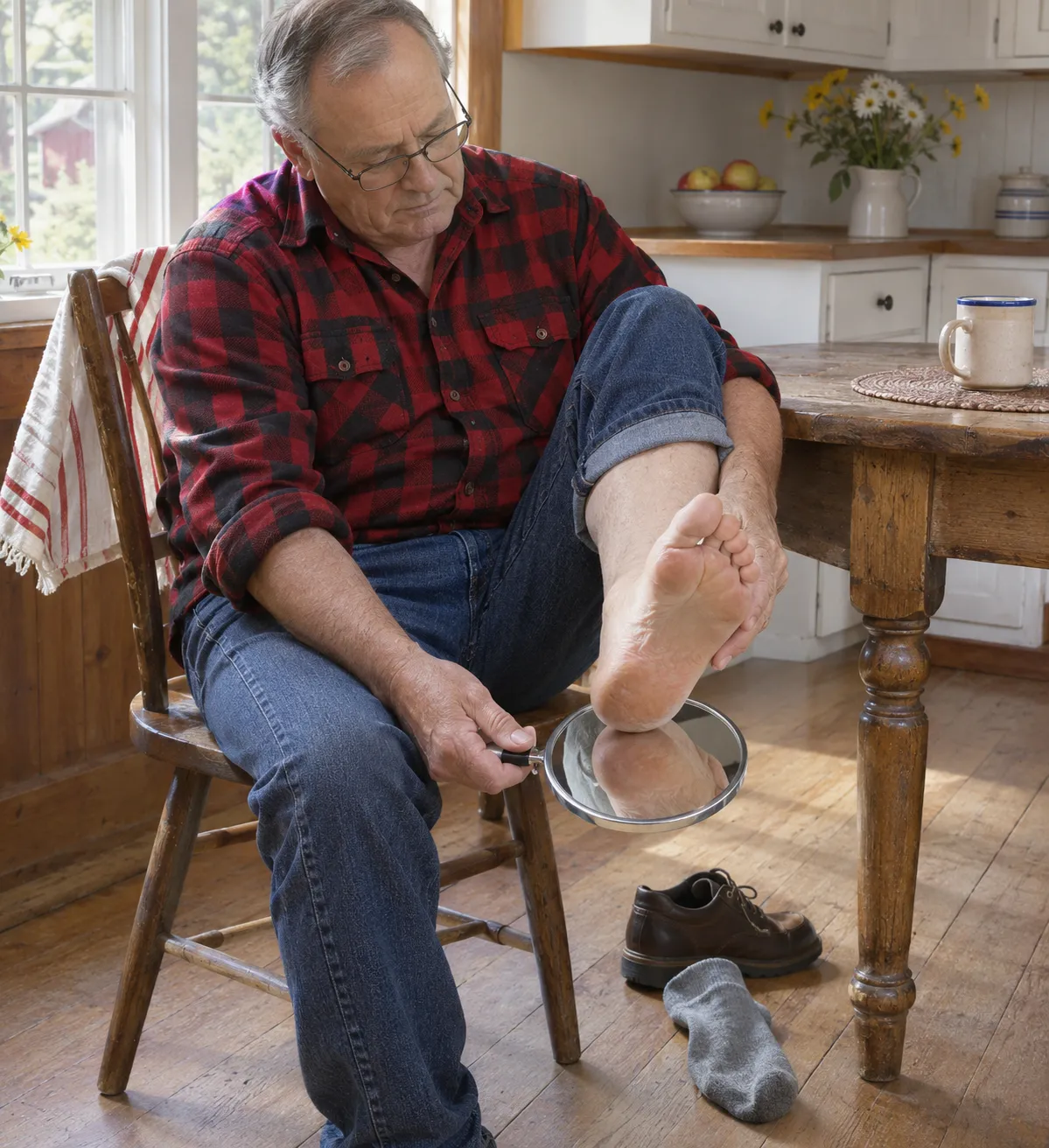
The urgent end of diabetic foot care is a wound that is not healing. The APMA states that foot ulcers in patients with diabetes should be treated to reduce the risk of infection and amputation, improve function and quality of life, and reduce health-care costs.
Why the checks matter
The American Diabetes Association says that when you have diabetes, caring for your feet is very important in avoiding serious foot complications.
The questions, from daily habit to the exam room
Start with what to look for during a daily foot check.
Next, learn what the monofilament test is so the foot exam is not a surprise. Then read how often someone with diabetes should get a foot exam.
Two questions deal with changes you may notice at home: whether it is safe for people with diabetes to trim their own toenails and whether diabetes can change the shape of the foot.
What changes the urgency
Questions about a wound that is not healing go to the front of the line, for the reason the APMA statement above gives. Questions about habits and exam timing come after.
Three outside references round this out: the Will County Health Department's Take Action Against Diabetes Before It Reaches You, MedlinePlus on foot health and MedlinePlus on diabetic neuropathy.
Local context for these resources is on the Lockport Township page.